May 26, 2026
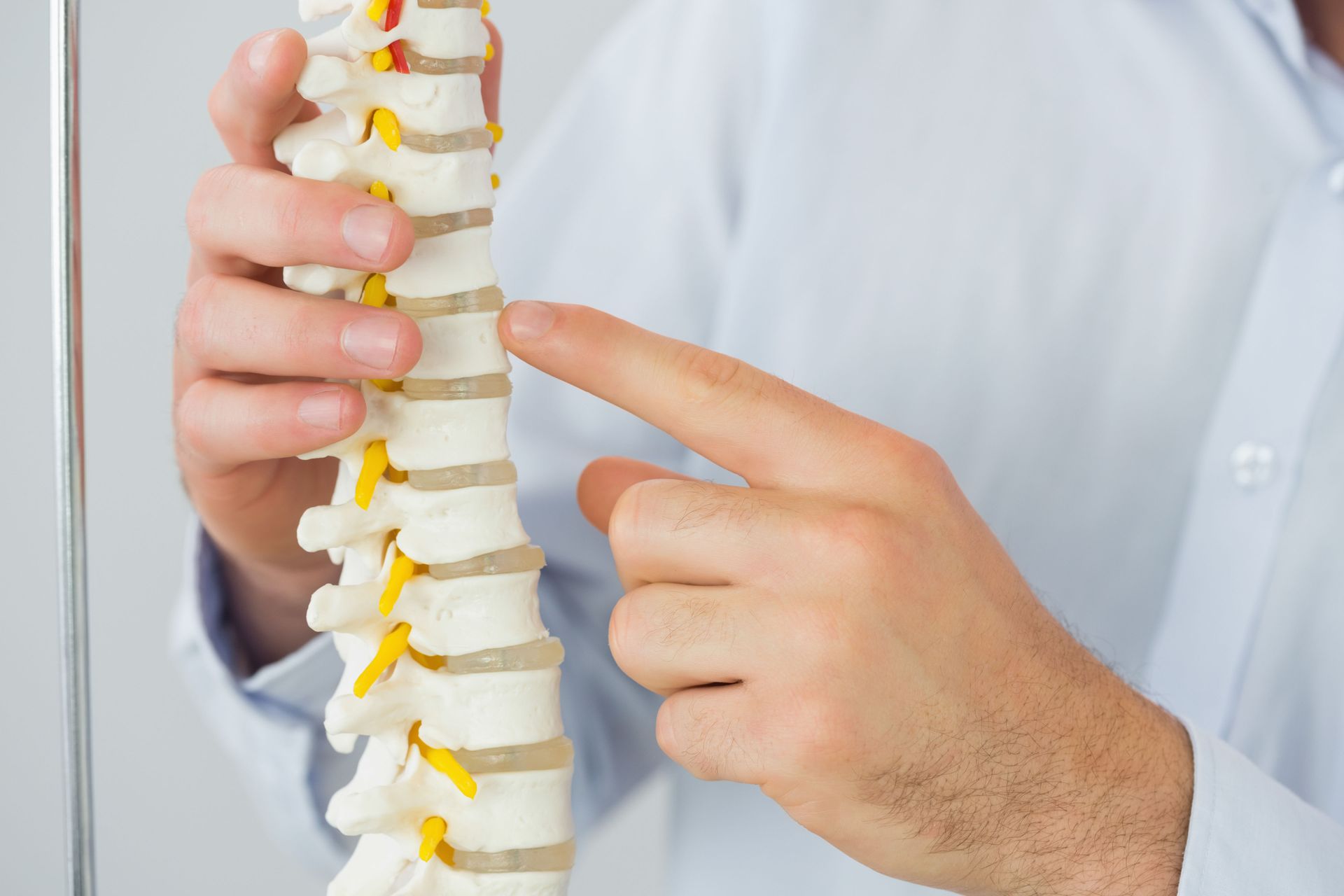
The process of becoming a healthcare professional dedicated to spinal health and systemic wellness involves a rigorous journey of academic achievement and clinical mastery. For those considering this path, understanding the foundational requirements is the first step toward a rewarding career. Chiropractic care is a distinct branch of the healing arts that focuses on the relationship between the body's structure, primarily the spine, and its function, as coordinated by the nervous system. By following this structured path, a dedicated student can eventually transition into the role of a local chiropractor, serving as a vital resource for health and physical performance. This career is not merely about physical adjustments but about understanding the biological and neurological pathways that dictate how a person experiences their environment.
Preparing Through Foundational Education
The road to professional practice begins long before one enters a specialized chiropractic college. In our experience, most programs require a significant amount of undergraduate coursework, though many successful applicants possess a full bachelor degree. The focus during these initial years is heavily weighted toward the life sciences. Students must excel in subjects such as biology, organic and inorganic chemistry, and physics. These courses provide the analytical framework necessary to understand the biochemical and mechanical processes of the human body.
Beyond the hard sciences, coursework in psychology and the humanities is encouraged to help future practitioners develop the social intelligence required for patient interaction. This stage of education is about building a broad intellectual base. It ensures that when students eventually reach advanced clinical topics, they have the prerequisite knowledge to grasp complex neurological and orthopedic concepts. This academic rigor serves as a filtering process, identifying students who possess the discipline and cognitive capacity to handle the doctoral curriculum and become a local chiropractor for their community.
Training In Accredited Doctoral Programs
Once the undergraduate requirements are met, the next phase involves enrolling in a program accredited by the Council on Chiropractic Education. This professional training typically lasts four years and leads to the Doctor of Chiropractic degree. During the first two years, students dive deep into advanced anatomy, physiology, and pathology. They spend hundreds of hours in cadaver labs and microscopy suites, learning the intricate details of every nerve, muscle, and bone. As they progress into the latter half of the program, the focus shifts toward clinical sciences.
Students learn how to interpret diagnostic imaging, perform physical examinations, and master the specific manual adjustments that define the profession. This period is also where students begin to understand their future role as a local chiropractor, learning how to integrate their skills into the broader healthcare landscape. The heavy emphasis on differential diagnosis ensures that graduates can identify when a patient requires their specific care and when a referral to another medical specialist is necessary for the safety of the individual.
Gaining Experience In Clinical Settings
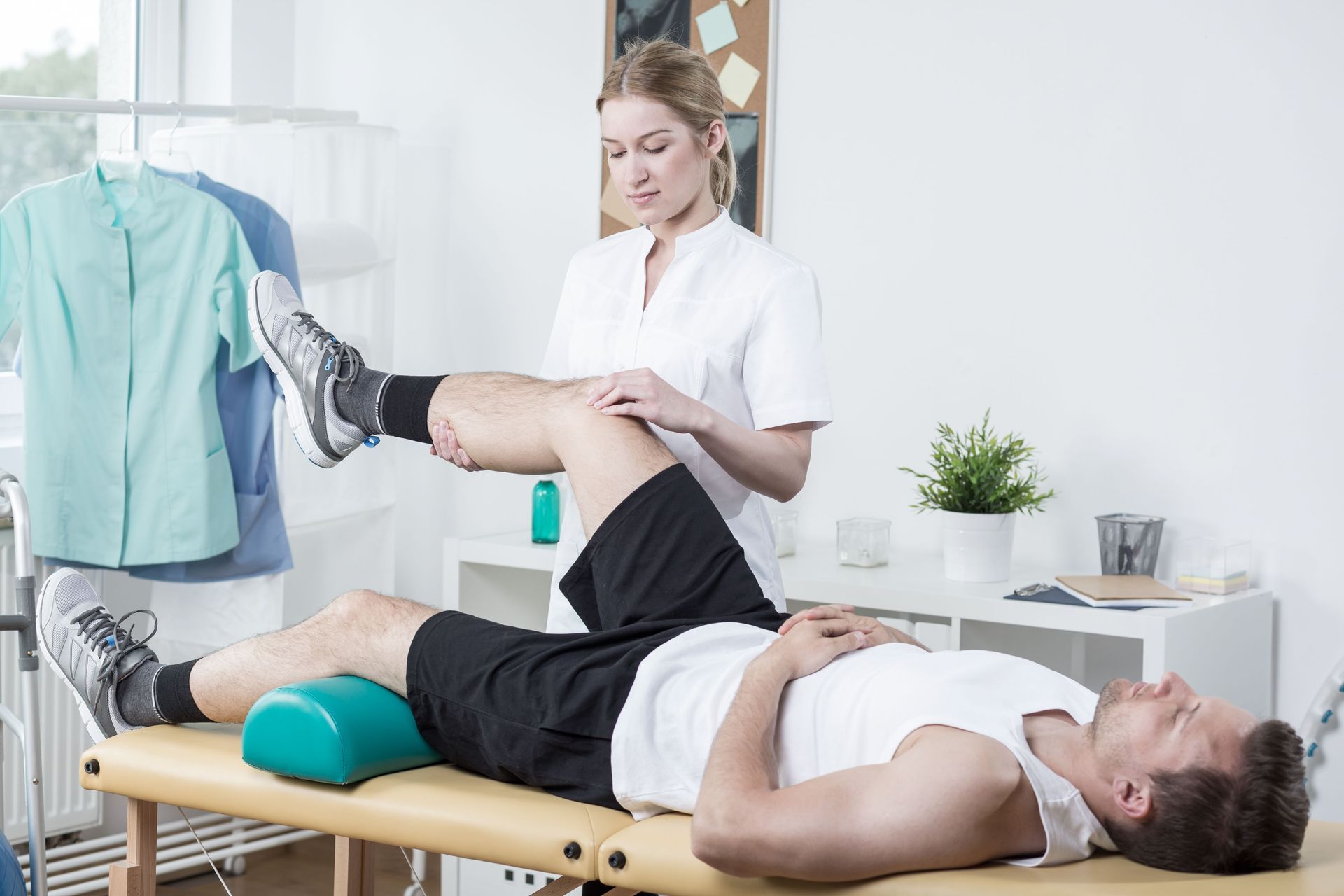
Theory alone is insufficient for a profession that relies so heavily on physical skill and diagnostic intuition. Therefore, a significant portion of the doctoral program is dedicated to clinical internships. Under the direct supervision of experienced faculty, students begin treating actual patients in college clinics or community outreach centers. This phase allows them to refine their manual dexterity and develop their clinical eye. They learn how to take detailed patient histories, formulate differential diagnoses, and create comprehensive treatment plans that may include nutritional advice or lifestyle modifications.
This hands-on experience is where the transition from student to practitioner truly happens. It challenges the individual to apply textbook knowledge to the unpredictable nature of human health. According to the U.S. Bureau of Labor Statistics, the employment of chiropractors is projected to grow 10 percent from 2021 to 2031, faster than the average for all occupations. This increased demand emphasizes the need for qualified chiropractors who can meet the health demands of their communities effectively. These clinical rotations often expose students to a wide demographic of patients, from high performance athletes to elderly individuals, providing a well-rounded perspective on how spinal health impacts various stages of life.
Obtaining Necessary State Licensure
After graduating with a doctorate, the new professional cannot immediately begin seeing patients. They must first navigate the rigorous licensing process required by the state in which they intend to practice. This process almost universally involves passing a series of four national board examinations administered by the National Board of Chiropractic Examiners. These exams test everything from basic sciences to clinical competency and X-ray interpretation. Additionally, many states require a separate exam covering state-specific laws and professional ethics. The licensing board acts as a gatekeeper, ensuring that every local chiropractor meets a high standard of safety and proficiency.
This regulatory oversight protects the public and ensures that the profession maintains its standing within the medical community. Once a license is granted, the practitioner is officially recognized as a primary care professional for musculoskeletal health, capable of making independent diagnoses and referrals. Maintaining this license requires ongoing commitment through continuing education credits, ensuring that the practitioner stays current with the latest research, technological advancements, and safety protocols within the rapidly evolving healthcare sector.
Managing The Business Of Practice
While the primary focus of the education is clinical, many practitioners eventually choose to open their own clinics, which requires a separate set of skills. Being a successful local chiropractor often involves acting as a small business owner. This means understanding the complexities of insurance billing, office management, and staff training. It also involves marketing and community outreach to build a patient base from the ground up. A practitioner must be able to balance the administrative needs of a business with the empathetic needs of their patients. Successful clinic owners often spend their early years learning how to navigate healthcare regulations and financial planning.
This entrepreneurial aspect of the career allows for great independence and the ability to shape a practice that reflects one's personal philosophy of health. It is a dual role that requires both a healer's heart and a strategist's mind, ensuring the clinic remains a stable and permanent fixture in the local neighborhood. Successful management also involves building a network with other local health providers to ensure a holistic approach to patient wellness.
The journey to becoming a healthcare provider in this field is one of persistence and dedication. It requires a deep commitment to learning and a passion for helping others achieve their physical potential without the use of invasive procedures. From the initial science labs in college to the final board exams and the opening of a private office, every step is designed to build a professional who is competent, ethical, and highly skilled. The reward for this hard work is the ability to make a tangible difference in the lives of patients every day, helping them recover from injury and maintain long-term wellness.
This path offers a unique opportunity to combine scientific expertise with a hands on approach to healing that many find deeply fulfilling. If you are ready to take control of your physical health or want to learn more about how spinal alignment impacts your daily life, consider scheduling a consultation with your
local chiropractor. Pope Family Chiropractic - Clinica Quiropractica del Dr. Pope is here to support your journey toward a more active and pain-free lifestyle through expert guidance and personalized care. Together, we can work toward a future where functional health and structural integrity are prioritized for every member of the community.