November 21, 2026
Staying active throughout midlife often feels like navigating an unpredictable landscape. Decades of sitting at desks, participating in recreational athletics, managing daily chores, and balancing family commitments inevitably leave an imprint on the musculoskeletal framework. Many individuals in their forties, fifties, and sixties begin noticing that simple motions, such as getting out of bed, bending down to tie running shoes, or turning the neck while driving, are accompanied by unexpected stiffness or mild discomfort. These small shifts in physical ease can quietly erode personal confidence, leading some to reduce physical activity altogether in an effort to prevent further pain.
However, experiencing joint stiffness or muscle fatigue does not need to become an accepted standard of aging. Midlife represents a pivotal window of opportunity to reset movement patterns, safeguard functional freedom, and invest in sustainable spinal integrity. With thoughtful modifications to daily routines and professional methods like routine chiropractic care to restore biomechanical alignment, moving comfortably remains entirely achievable. Understanding how the body changes and adopting simple, practical habits creates a dependable path toward enduring physical vitality and lifelong independence.
Understanding Changes in Midlife Joint Function
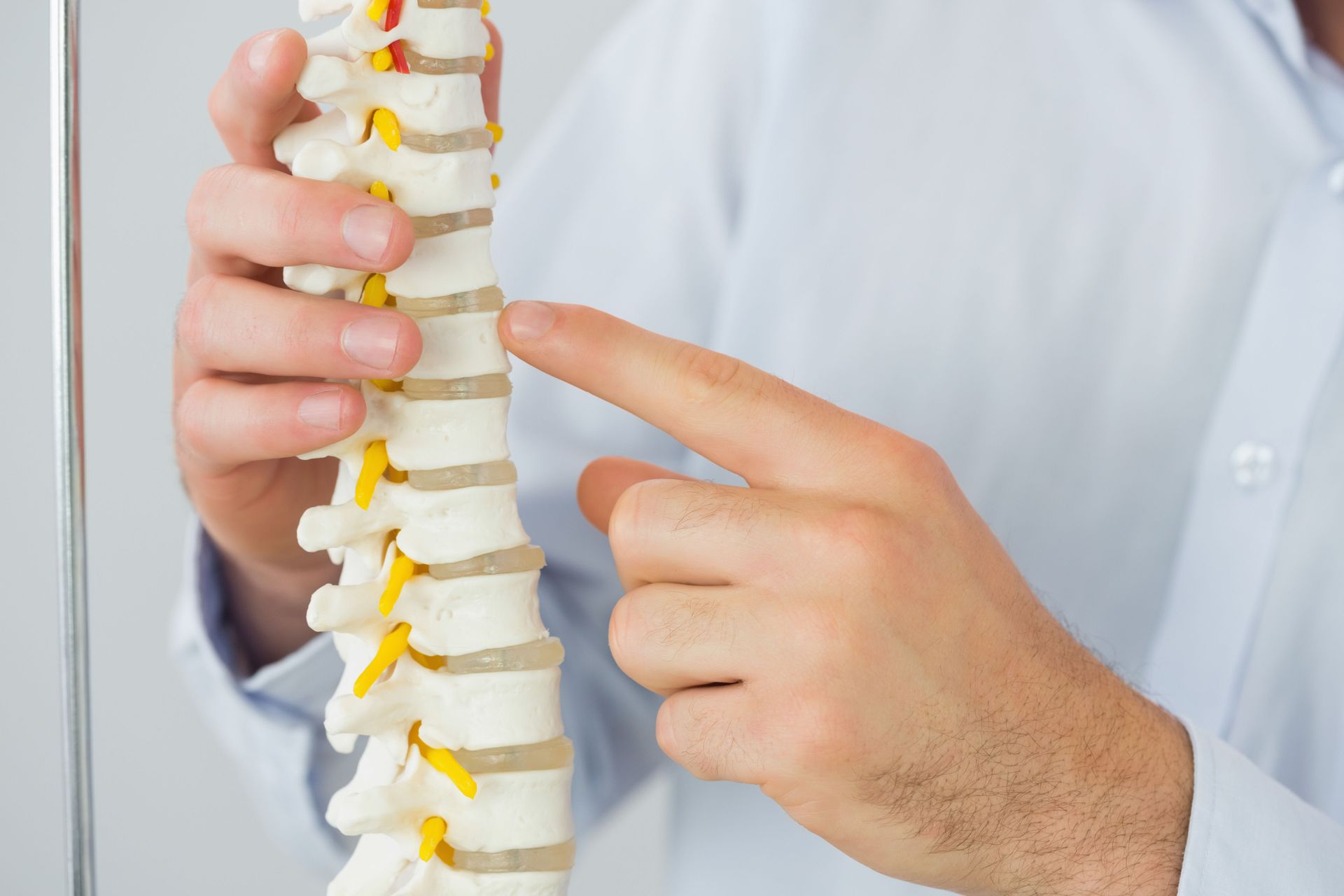
The human body naturally undergoes physiological transitions as decades accumulate. Intervertebral discs, the fluid-filled cushions positioned between spinal vertebrae, begin to lose hydration and height. Ligaments and tendons naturally experience a slight loss of elasticity, and cartilage within weight-bearing joints gradually thins. When these internal developments intersect with common lifestyle habits, such as prolonged screen time, repetitive workplace postures, and uneven exercise routines, structural imbalances frequently develop.
When structural balance falters, neighboring muscles must work harder to stabilize the spine and peripheral joints. This constant compensatory tension can produce stiffness, reduced range of motion, and localized inflammation. Instead of joints gliding smoothly through natural paths, subtle misalignments can cause mechanical irritation. Utilizing conservative options like chiropractic care can help identify these mechanical imbalances before they cause chronic irritation. Recognizing that discomfort often stems from accumulated functional stress rather than irreversible wear provides a constructive starting point for proactive, restorative action.
Implementing Proactive Strategies for Pain-Free Motion
Protecting joint health and mobility does not demand exhausting workout regimes or drastic lifestyle changes. Instead, lasting comfort arises from consistent, manageable adjustments integrated into standard daily routines. Focusing on fundamental health pillars helps reduce unnecessary joint stress and supports natural resilience.
Maintaining Consistent Low-Impact Physical Activity
Regular, controlled movement is essential for nourishing cartilage and maintaining muscular balance. Low-impact cardiovascular activities stimulate the production of synovial fluid, which lubricates articular surfaces within joints. Walking on even paths, cycling with proper seat height, and swimming or aquatic aerobics provide cardiovascular conditioning while minimizing sudden compressive forces on weight-bearing joints.
Beyond cardiovascular health, incorporating foundational strength exercises builds muscular support around vulnerable areas like the spine, pelvis, and knees. Resistance exercises using body weight or light resistance bands reinforce the abdominal and back musculature. When core muscles effectively stabilize the torso, individual vertebrae and discs experience significantly less cumulative daily strain during everyday tasks.
Practicing Mindful Posture and Ergonomic Awareness
Modern occupational and home environments frequently encourage static, slumped postures that place immense pressure on the cervical and lumbar spine. For every inch the head migrates forward beyond the shoulders, the effective gravitational load carried by the neck muscles increases dramatically. Over time, forward head carriage and rounded shoulders contribute to persistent upper back aching and stiffness.
Creating an ergonomically sound environment significantly alleviates physical stress. Positioning computer monitors at eye level, selecting seating that supports the natural curve of the lower back, and resting feet flat on the floor all promote balanced skeletal alignment. Equally important is scheduling regular movement breaks; standing up, gently expanding the chest, and stretching tight hip flexors every forty-five minutes prevents soft tissues from becoming rigidly fixed in shortened positions. Pairing regular ergonomic adjustments with supportive chiropractic care helps ensure that long workdays do not compromise spinal posture.
Prioritizing Hydration and Balanced Nutrition
Joint integrity is closely linked to cellular hydration and systemic nutrition. Because intervertebral discs depend on fluid intake to maintain their shock-absorbing capacity, consuming adequate water throughout the day directly influences spinal health. When systemic hydration drops, discs lose suppleness more rapidly, increasing the likelihood of stiffness.
Complementing hydration with whole, nutrient-dense nutrition further mitigates internal joint strain. Emphasizing foods abundant in antioxidants, omega-3 fatty acids, and essential minerals helps calm localized inflammation within connective tissues. A diverse diet rich in leafy greens, colorful vegetables, lean proteins, and healthy fats provides the foundational biochemical building blocks necessary for maintaining healthy tendons, ligaments, and cartilage.
Exploring the Structural Benefits of Professional Support
While personal lifestyle adjustments form a crucial foundation for mobility, professional evaluations often address the underlying restrictions that daily habits cannot completely resolve. Incorporating regular chiropractic care into an overall wellness regimen provides a direct, conservative method for restoring joint mobility and supporting spinal biomechanics.
Spinal joints frequently experience mechanical restrictions or functional subluxations from chronic postural strain or prior injuries. Through gentle, manual adjustments, targeted chiropractic care restores normal segmental motion to restricted vertebrae. Re-establishing proper joint mechanics helps alleviate unnecessary tension on adjacent nerves, reduces defensive muscular guarding, and encourages healthy circulation to compressed tissues.
Furthermore, these clinical evaluations extend beyond spinal adjustments to encompass comprehensive musculoskeletal assessments. Practitioners evaluate walking gait, pelvic symmetry, and muscular imbalances, offering tailored guidance to optimize overall functional movement. According to statistics shared by Webinar Care, middle-aged adults between the ages of 45 and 64 represent the demographic most frequently seeking the professional services of a chiropractor. This data emphasizes how many people in this transitional phase of life actively pursue supportive measures to manage physical demands and preserve their daily freedom of movement.
Addressing minor joint dysfunctions through individualized chiropractic care prevents minor aches from escalating into persistent, limiting conditions. When combined with supportive therapies like therapeutic exercises or physical rehabilitation, regular clinical checkups ensure that joints remain properly aligned as personal activity levels evolve. Maintaining open communication with an experienced practitioner allows individuals to customize their care plan according to specific physical goals and functional needs.
Cultivating Everyday Habits for Lasting Flexibility
Sustaining fluid movement into later decades is ultimately an ongoing practice. Healthy joints thrive on diverse, unhurried motion patterns performed consistently. Integrating simple flexibility routines into morning or evening schedules can yield significant long-term improvements in how the body feels and performs.
Gentle dynamic stretching—such as cat-cow transitions, seated spinal twists, and controlled hip circles—warms up connective tissues without placing sudden loads on cool muscles. Taking ten minutes each morning to gently mobilize the spine signals the nervous system to release baseline tension accumulated during sleep. Similarly, practicing controlled breathing exercises while resting on a supportive surface at the end of the day helps reset the muscular system and release postural fatigue. Engaging in gentle stretching alongside regular chiropractic care provides a reliable strategy for keeping muscles relaxed and joints moving through their full range of motion.
Listening attentively to internal bodily signals is equally critical. Persistent sharp discomfort should never be ignored or forced through; rather, it serves as valuable communication that an alignment issue or soft tissue restriction warrants professional attention. By prioritizing early intervention and consistent maintenance, individuals can navigate midlife with exceptional comfort, vigor, and physical autonomy.
Midlife represents an ideal stage to invest thoughtfully in physical longevity and functional comfort. By pairing healthy daily movement, mindful workplace habits, proper hydration, and routine
chiropractic care, maintaining an active, fulfilling lifestyle remains well within reach. For individuals seeking personalized, non-invasive guidance to optimize spinal alignment and maintain long-term physical comfort, scheduling an evaluation with the team at Pope Family Chiropractic - Clinica Quiropractica del Dr. Pope provides a supportive path forward.